

 SA
SA English
 Español
 عربى
عربى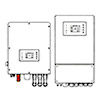
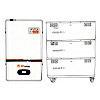
ثلاث مراحل للطاقة الشمسية GTI
تعد السيارة الشمسية ثلاثية الطور GTI مكونًا أساسيًا في أنظمة توليد الطاقة الشمسية. تكمن ميزتها الرئيسية في تحويلها الفعال من DC إلى AC وتوزيع الطاقة المتوازن عبر الدائرة ثلاثية الطور. بعد دخول طاقة التيار المستمر المولدة من الألواح الكهروضوئية إلى GTI، يتم تصحيحها وعكسها بشكل متزامن عبر المراحل الثلاث A وB وC من خلال طوبولوجيا إلكترونيات الطاقة المتقدمة. وهذا يحقق كفاءة تحويل تتجاوز 96%، ويحافظ على إنتاج مستقر حتى أثناء ظروف ضوء الشمس المتقلبة، ويتجنب فقدان الطاقة الشائع في النماذج أحادية الطور.
تعتبر سيارة GTI ثلاثية المراحل مفيدة بشكل خاص في المنشآت الصناعية والمباني التجارية ذات الأحمال الثقيلة (مثل المحركات الكبيرة ومكيفات الهواء المركزية). فهو يضبط توزيع الطاقة ديناميكيًا بناءً على الطلب في الوقت الفعلي لكل مرحلة، مما يمنع الأحمال الزائدة في مرحلة واحدة من تفعيل آليات الحماية ويضمن استمرار تشغيل المعدات الحيوية مثل خطوط الإنتاج وأنظمة التبريد. على سبيل المثال، إذا بدأت أداة آلية في منطقة معينة من ورشة العمل فجأة في العمل، فيمكن لـ GTI توجيه المزيد من الطاقة إلى المرحلة المقابلة خلال 0.1 ثانية، مع الحفاظ على توازن الجهد ثلاثي الطور في حدود ±2%.
In terms of profitability, the three-phase GTI maximizes profits through precise net metering. It monitors the grid's interaction status in real time. When solar power generation exceeds self-consumption, the excess energy is fed back to the grid at a standard phase angle, with a metering accuracy of 0.5, ensuring that every kilowatt-hour of electricity can be exchanged for grid credits at the market price. For high-energy-consuming enterprises, this "self-generation for own use, surplus power to the grid" model can reduce annual electricity bills by 30%-50%.
Furthermore, its built-in phase-locked loop (PLL) technology achieves millisecond-level synchronization with the grid, ensuring high consistency in output voltage and frequency, effectively suppressing harmonic interference (total harmonic distortion < 3%) and minimizing impacts on grid stability. More importantly, the three-phase GTI utilizes a storage-free design, directly connecting to the grid. This eliminates the cost of purchasing, maintaining, and replacing batteries, while also preventing system efficiency degradation due to battery lifespan degradation, reducing overall operation and maintenance costs by approximately 40%.
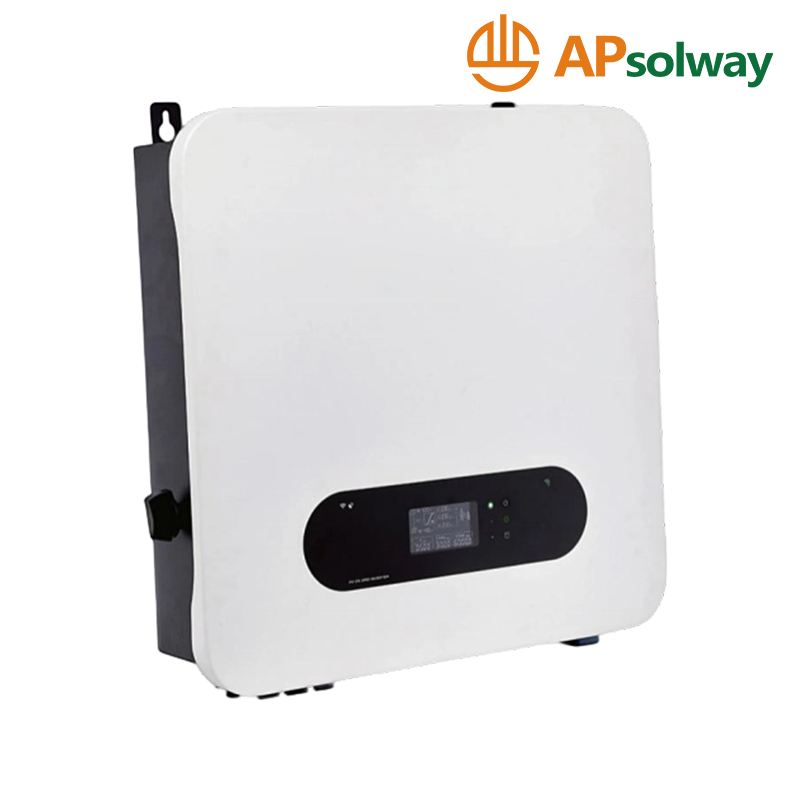
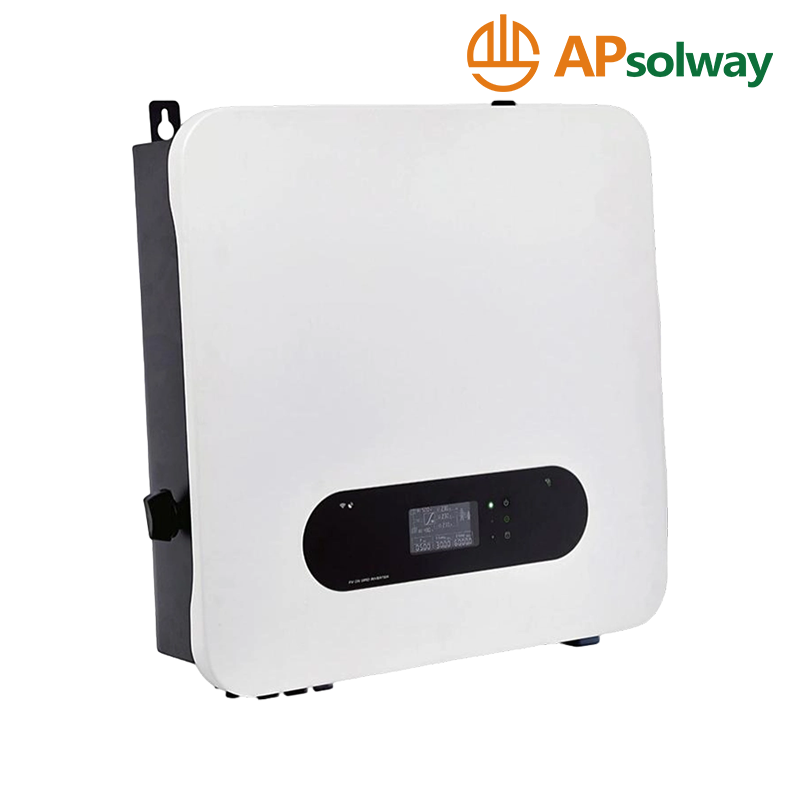

باعتبارها مزودًا رائدًا لحلول تخزين الطاقة الشمسية السكنية، تتميز APsolway بتصميمات مبتكرة ومجموعة من الميزات الفريدة والمتميزة. نحن نقدم أيضًا خدمات OEM/ODM ويمكننا تقديم حلول مخصصة بالكامل لتلبية احتياجات عملائنا المحددة.
تحديثاتنا
- هاتف محمول: +86-13819379269 / 15726870289
- هاتف: +86-573-83705988
- فاكس: +86-573-83705966
- بريد إلكتروني: [email protected]
- عنوان: الطابق العاشر، هايتشو ستار، منطقة شيوتشو، مدينة جياشينغ، تشجيانغ، الصين 314000
